We believe that exceptional skincare begins long before the product is made — it begins with the decision of what goes into it.
Every ingredient we use is chosen against a simple standard: is it the best available option, and is it something we’d use on our own family? If the answer isn’t yes to both, it doesn’t make it in.
We prefer certified organic.
Where an organic option exists, that’s what we source. Not because it’s a marketing term, but because it reflects a standard of growing and handling that we believe in.
We choose absolutes and CO₂ extracts over synthetic alternatives.
When a superior natural extract exists, we use it — even when it’s more expensive and harder to source. The difference in quality is real, and our customers can feel it.
We source from vetted, trusted suppliers.
Every supplier we work with is chosen for their integrity, transparency, and commitment to quality. We don’t cut corners on sourcing because we can’t cut corners on results.
We keep formulas intentionally simple.
More ingredients isn’t better. We use what the skin actually needs — lipid-rich tallow as the base, supported by carefully chosen botanicals that complement rather than compete.
We never use synthetic fragrance.
Every scent in our products comes directly from plants. No artificial aromatic compounds, no synthetic substitutes — just the real thing.
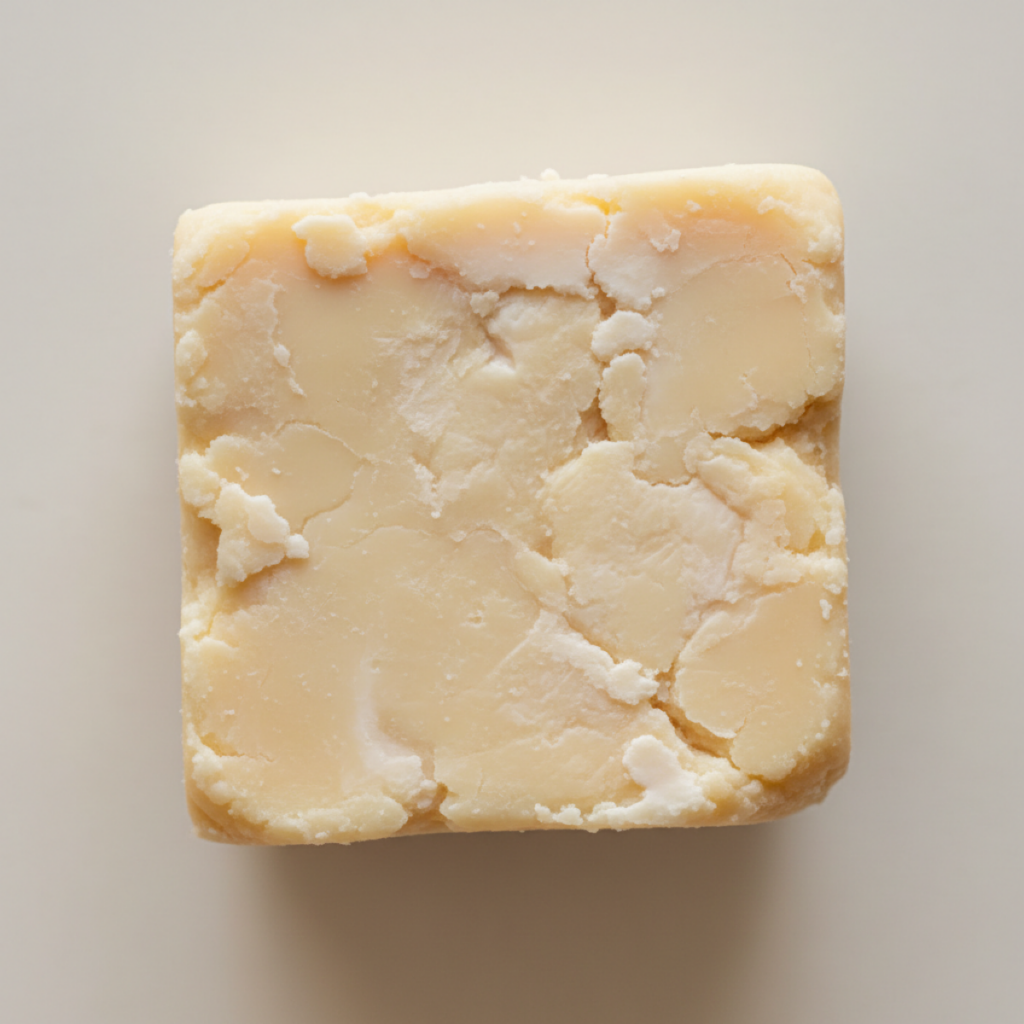
Its fatty acid profile — oleic, palmitic, and stearic acid — closely mirrors the lipids in the skin’s own barrier, allowing it to absorb and integrate rather than sit on top
Grass-fed sources carry significantly higher levels of CLA — conjugated linoleic acid — a naturally anti-inflammatory fatty acid with documented antioxidant properties
One of the oldest and most historically trusted ingredients in skincare — used across cultures for thousands of years because it works with the skin’s natural biology
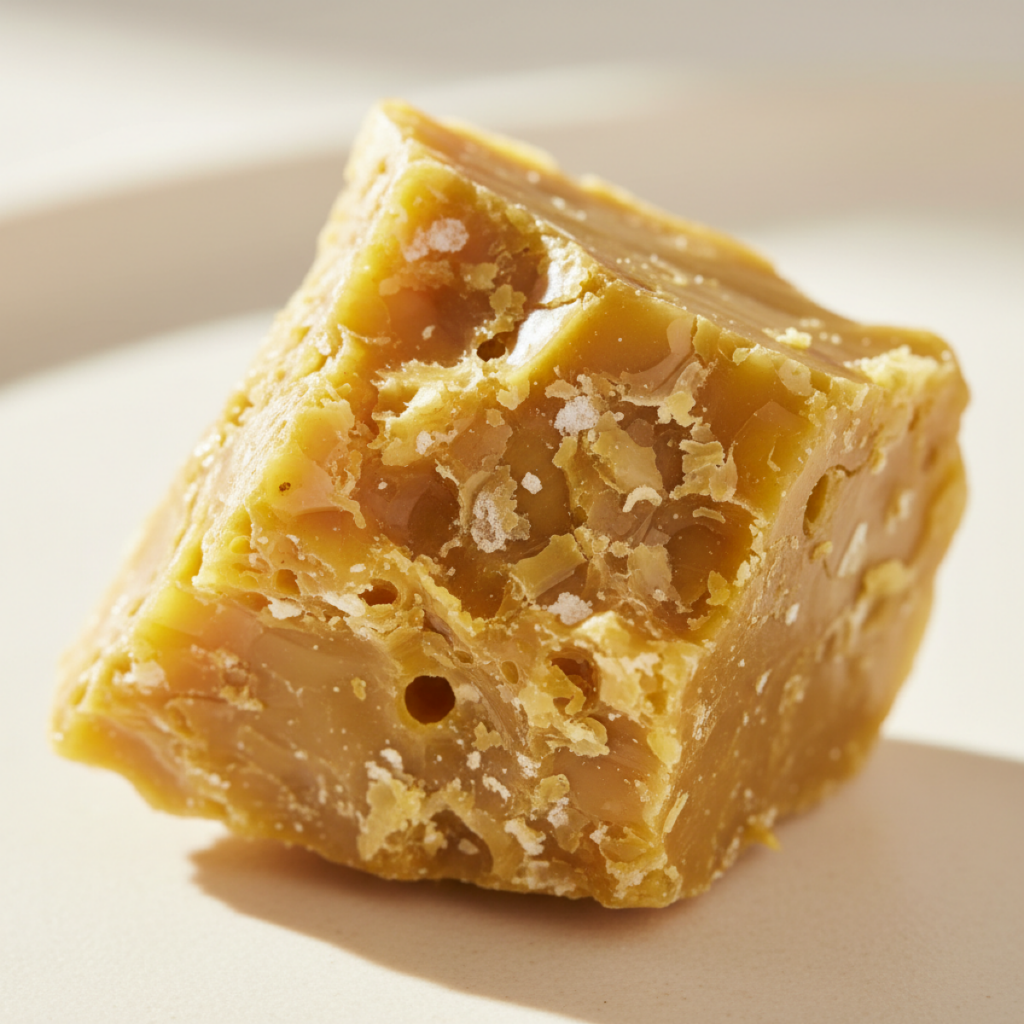
organic beeswax
A semi-occlusive barrier that shields skin from wind, cold, and environmental stress while still allowing it to breathe — unlike synthetic occlusives that seal the skin completely
Contains natural vitamin A precursors and β-carotene that support cell renewal and healthy skin function
Documented antimicrobial and anti-inflammatory properties — used in healing salves and medicinal preparations across cultures for centuries
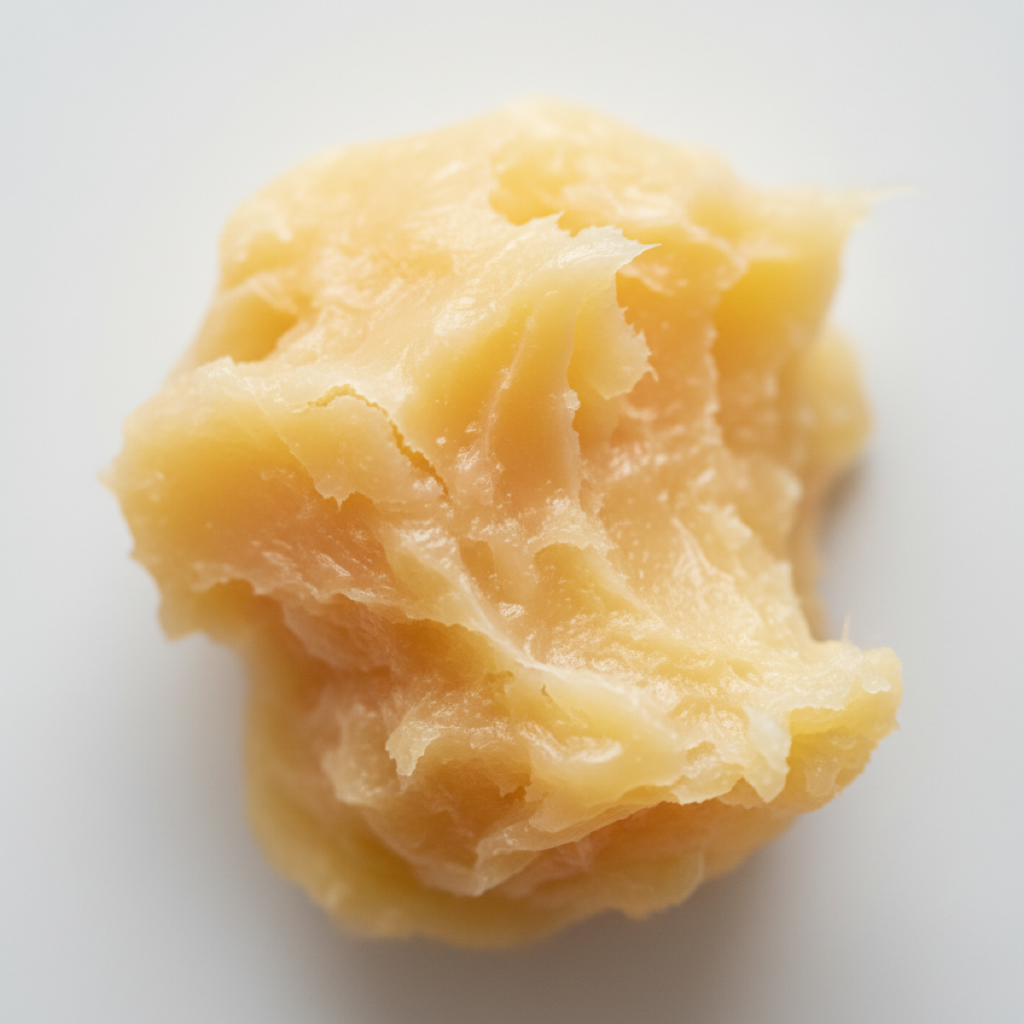
New Zealand lanolin
A waxy substance secreted by sheep to protect their wool in harsh conditions — its molecular structure closely resembles human skin lipids, making it one of the most biocompatible moisturizing ingredients that exists
Clinically shown to reduce transepidermal water loss by 20–30% while remaining semi-occlusive — retains moisture without suffocating the skin
Used in medical-grade wound care, pharmaceutical preparations, and nursing care for generations because of its documented ability to support healing and barrier repair
Oils
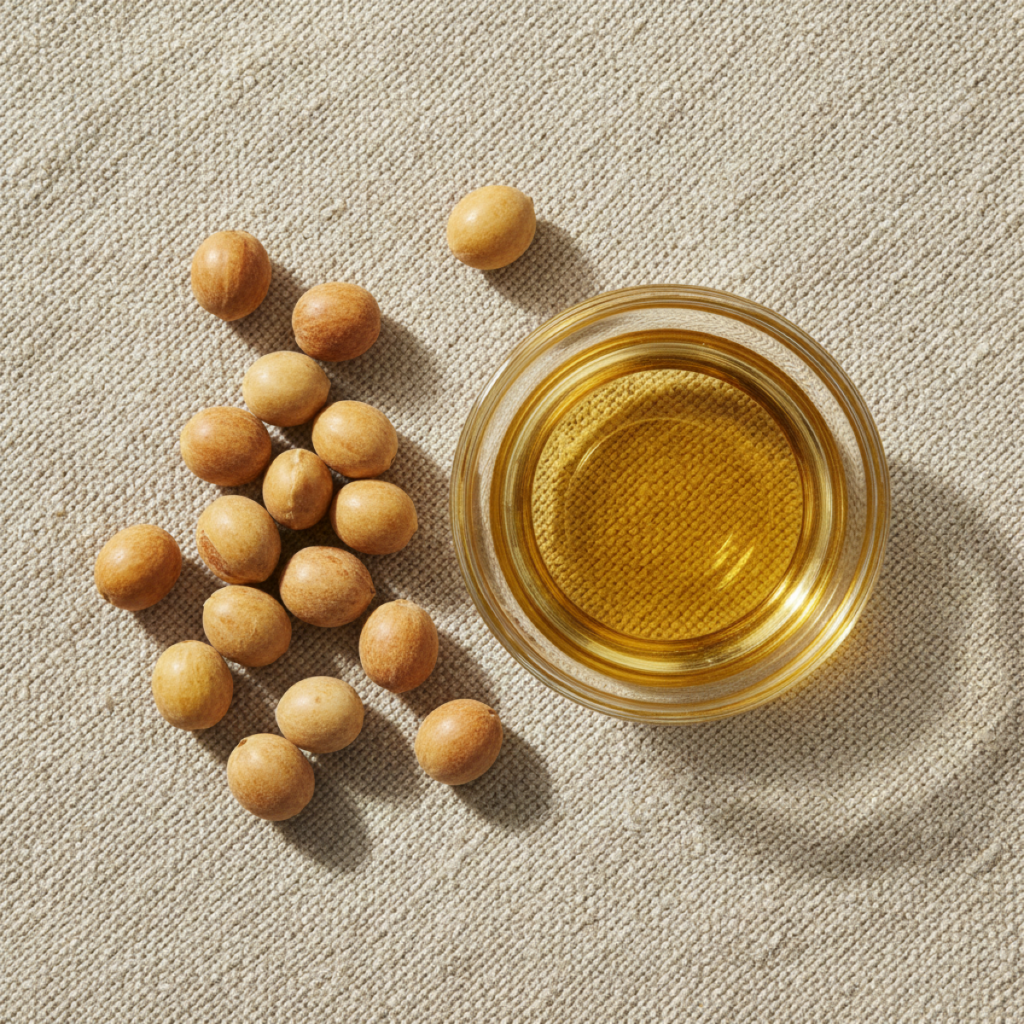
organic jojoba oil
Not technically an oil — a liquid wax ester whose molecular structure closely resembles human sebum, which is why it absorbs without greasiness and supports barrier function rather than disrupting it
Clinically demonstrated to reduce transepidermal water loss and restore skin barrier integrity — an 8-week study found measurable improvement in damaged skin after jojoba application
Used by Native Americans of the Sonoran Desert for centuries to treat cuts, sores, and windburn — one of the few skincare ingredients with both deep traditional roots and peer-reviewed scientific validation
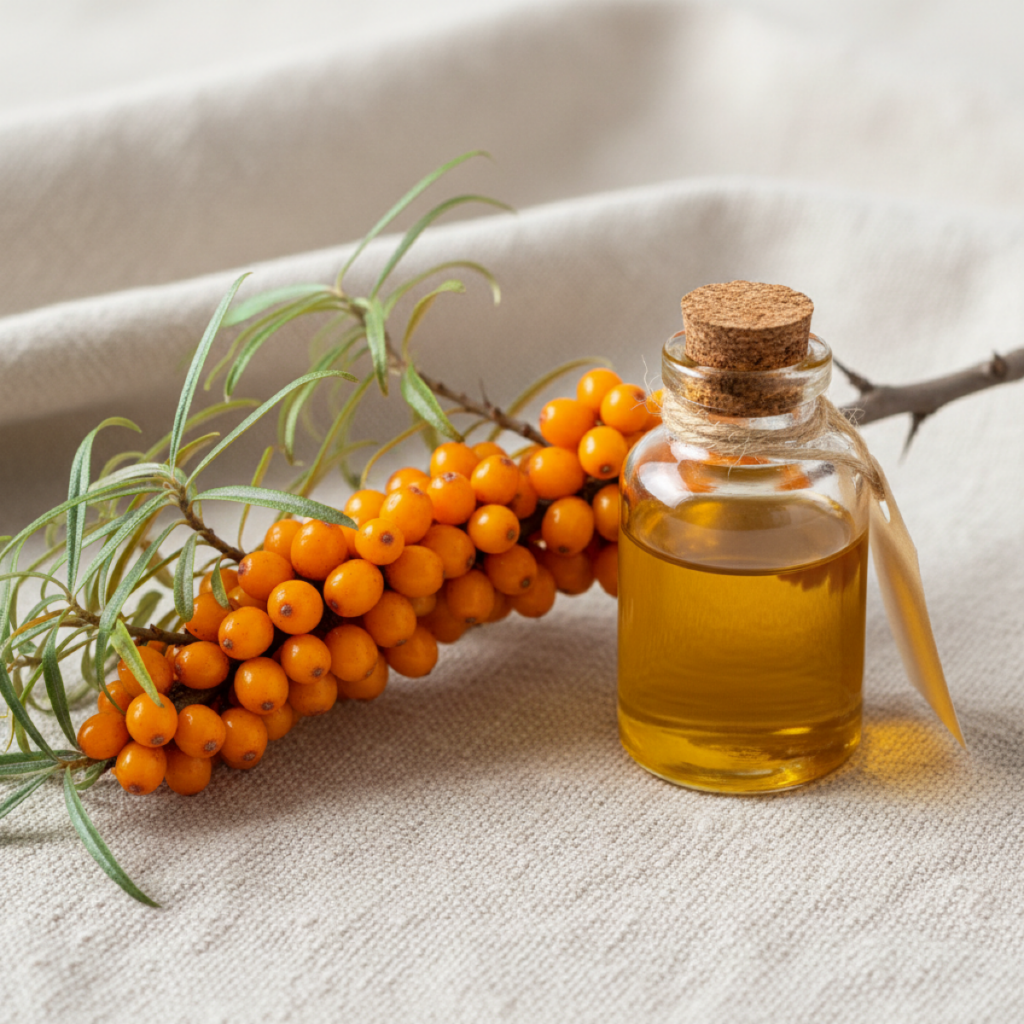
organic sea buckthorn oil
One of the only plant sources on earth that contains all four omega fatty acids — 3, 6, 7, and 9 — with an exceptionally high concentration of omega-7 (palmitoleic acid), a fatty acid naturally present in human sebum that declines with age
Omega-7 has been shown in peer-reviewed research to inhibit collagen-degrading enzymes, enhance elastin expression, and promote collagen synthesis — making it one of the most studied plant oils for skin regeneration and barrier integrity
Contains over 190 bioactive compounds including beta-carotene, lycopene, and zeaxanthin — the deep golden color is the carotenoids at work, and they provide documented antioxidant protection against UV-induced oxidative stress
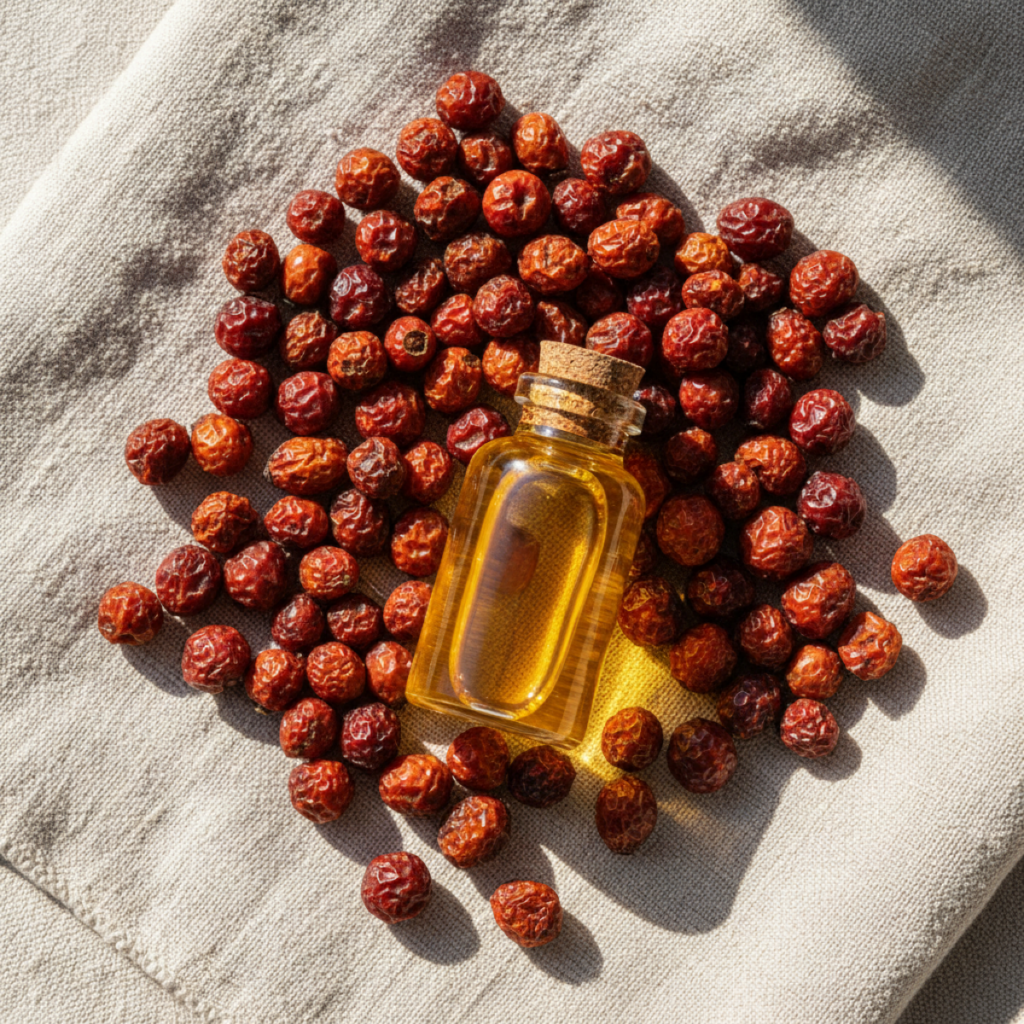
organic rosehip oil
Cold-pressed from the seeds of Rosa canina — naturally contains trans-retinoic acid (the same active compound found in prescription retinoids) at low concentrations, along with linoleic and alpha-linolenic acids that provide the essential fatty acids depleted skin needs most
A double-blind controlled clinical trial found statistically significant improvements in crow’s feet wrinkles, skin moisture, and elasticity after 8 weeks of use — a separate clinical trial involving 108 post-surgical patients showed significant improvement in erythema, discoloration, and wound atrophy
One of the most studied plant oils for skin regeneration and scar repair — its mechanism involves accelerating macrophage transition and collagen remodeling, documented in peer-reviewed research published in PubMed
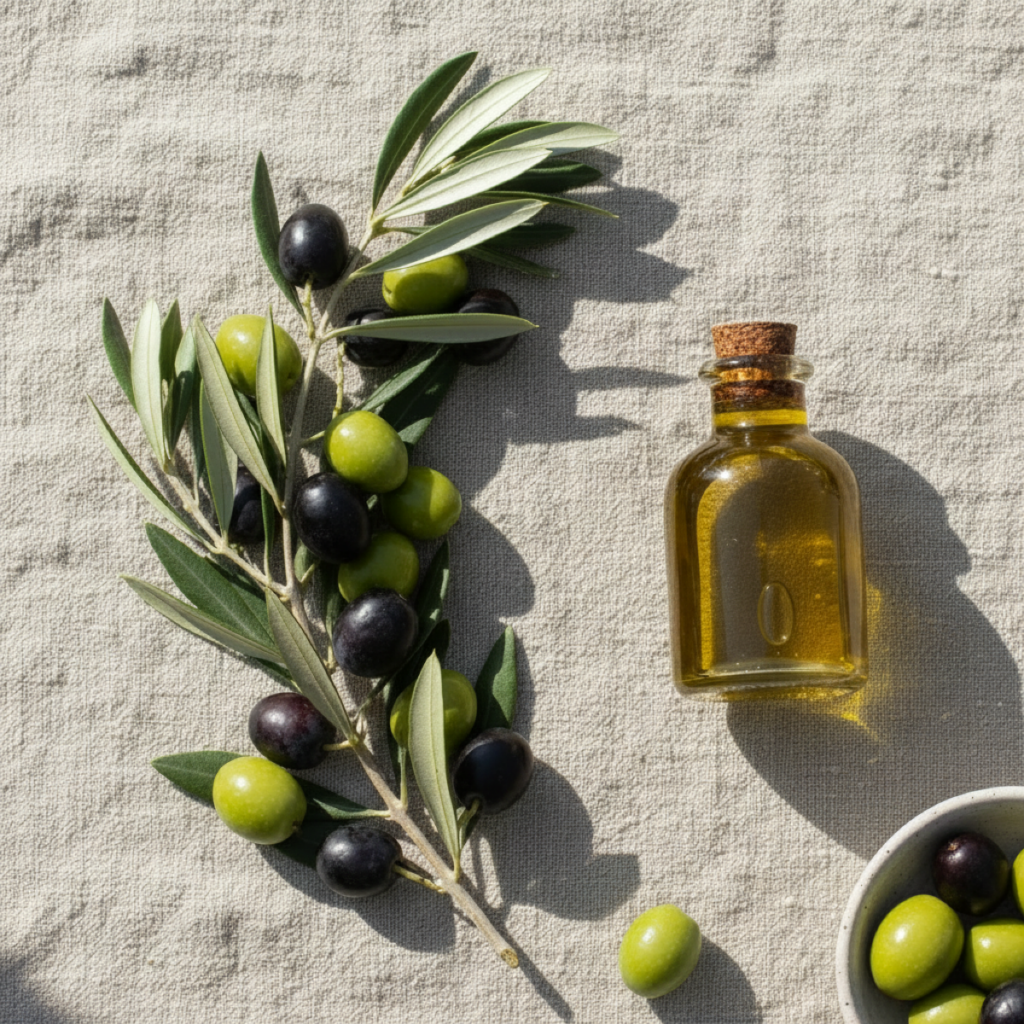
organic olive oil
One of the oldest recorded skincare ingredients in human history — used in Mediterranean cultures for skin, hair, and wound care for thousands of years, with documented use dating back to ancient Egypt and Greece
Rich in phenolic compounds with antioxidant activity that exceeds vitamin E — more than 200 distinct chemical compounds have been identified in olive oil, including sterols, carotenoids, and triterpenic alcohols
Best used in small amounts as a supporting ingredient — its high oleic acid content makes it a penetration-enhancing carrier that helps deliver other beneficial compounds into the skin, which is why it works well in a formula rather than alone
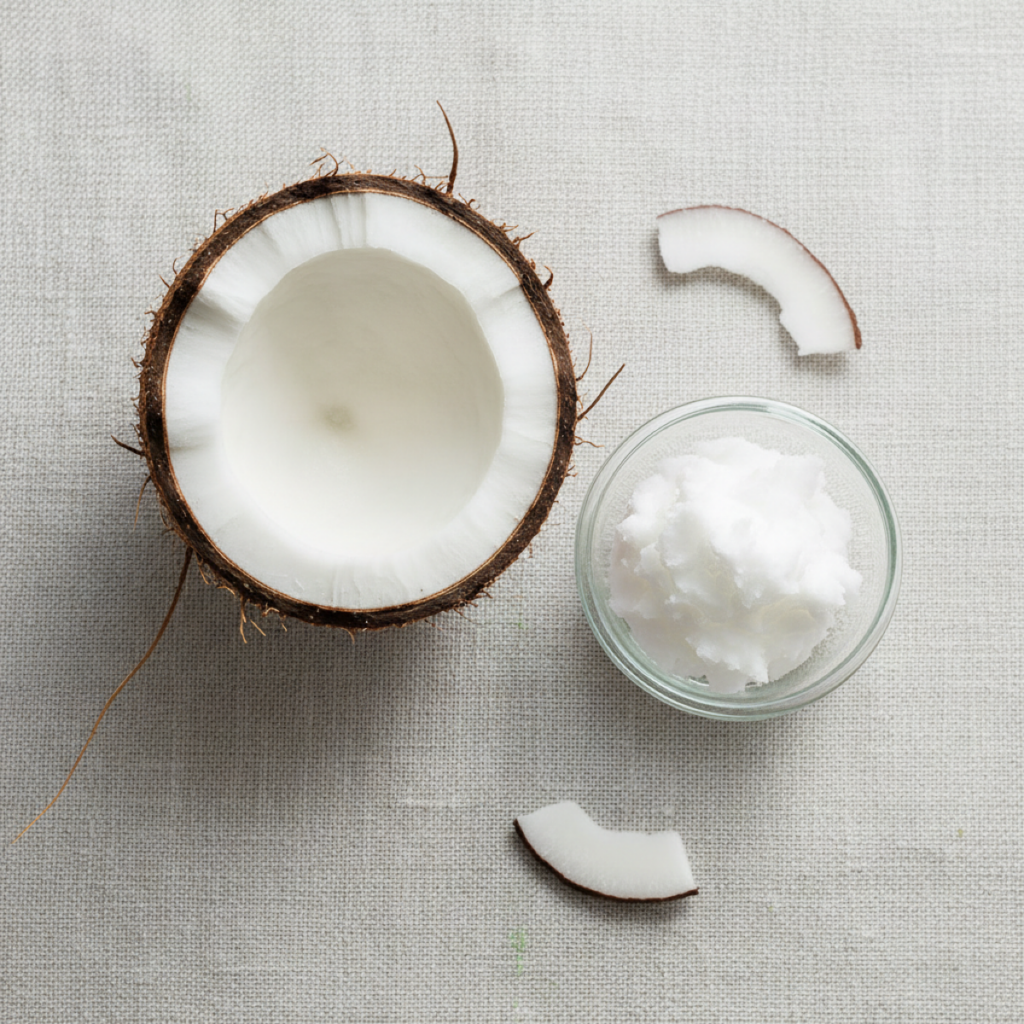
organic coconut oil
High in lauric acid — a medium-chain fatty acid with documented antibacterial activity, including against Staphylococcus aureus and Propionibacterium acnes
A randomized double-blind clinical trial found virgin coconut oil equal to or superior to mineral oil as an emollient for xerotic skin, with significant improvement in skin hydration and surface lipid levels
One of the most studied natural occlusive ingredients — its predominant saturated fatty acids support skin barrier function and moisture retention, which is why it has been used in clinical studies for atopic dermatitis with measurable results
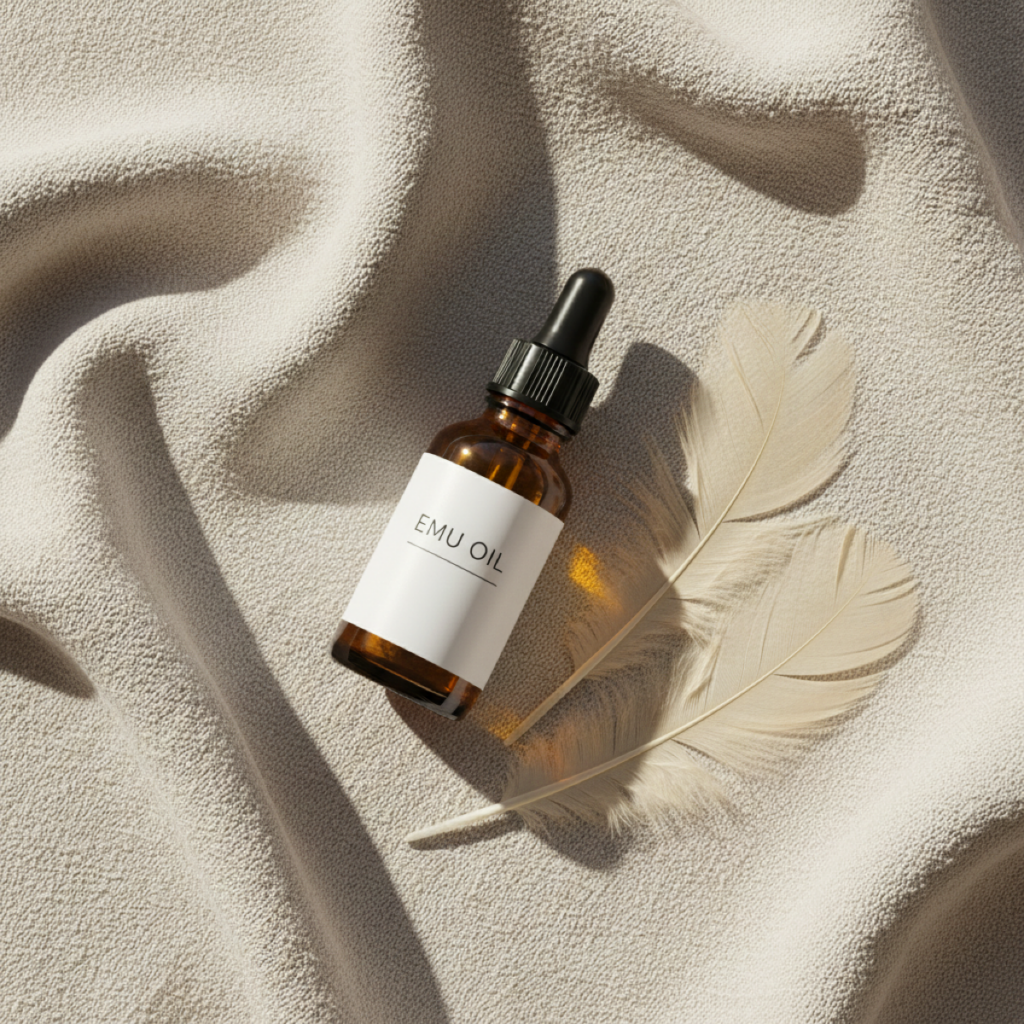
organic emu oil
One of the most deeply penetrating carrier oils known — its fatty acid composition, dominated by oleic, linoleic, and palmitic acids, so closely mirrors human skin lipids that it is able to cross the stratum corneum and deliver active compounds into deeper skin layers at a rate surpassing most plant-based oils
Multiple peer-reviewed studies have documented emu oil’s ability to reduce skin inflammation — a 2016 study published in the Journal of Gastroenterology found significant anti-inflammatory activity, and separate dermatological research has shown measurable improvement in conditions including eczema, rosacea, and radiation dermatitis
Used by Aboriginal Australians for centuries to treat burns, wounds, and skin conditions — emu oil represents one of the clearest examples of traditional knowledge being validated by modern science, with its mechanism now understood to involve direct inhibition of inflammatory cytokines
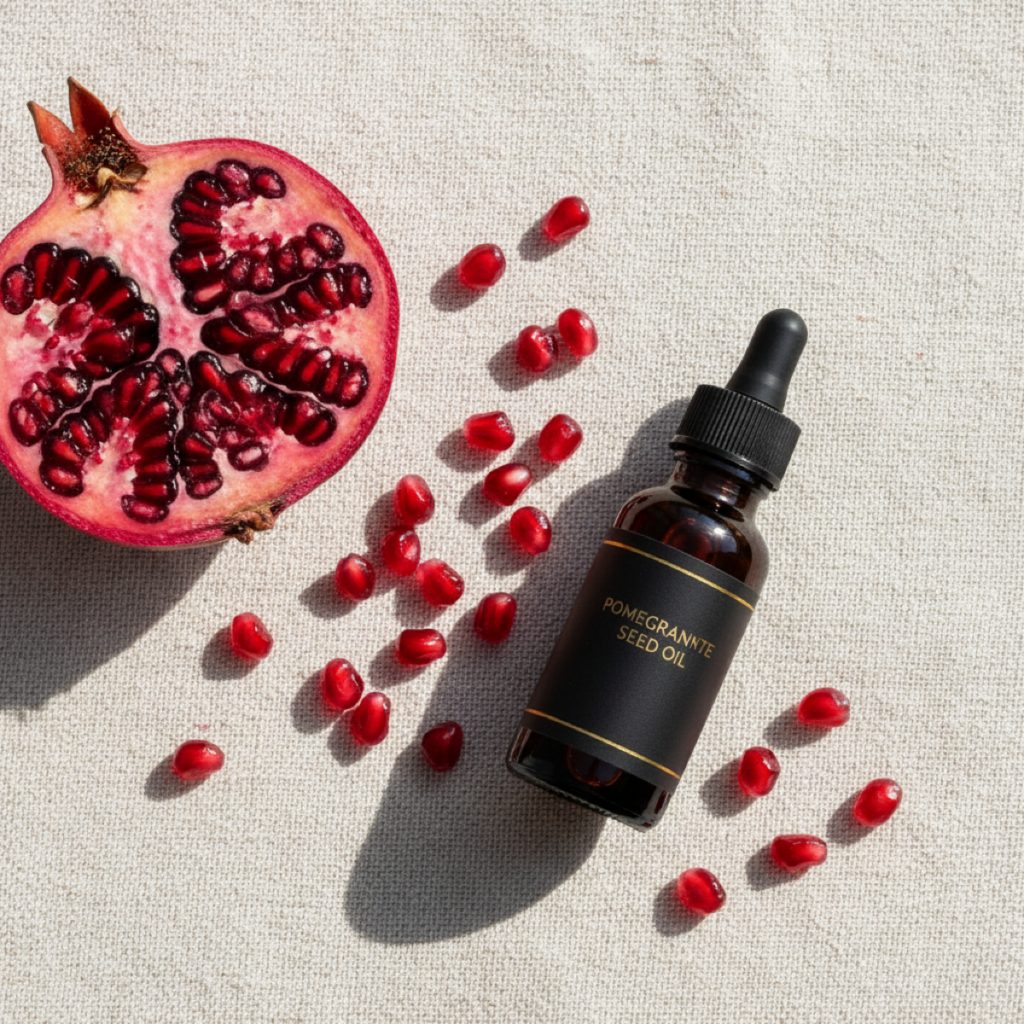
organic pomegranate oil
Contains punicic acid — an exceptionally rare omega-5 fatty acid found in almost no other plant source on earth — shown in peer-reviewed research to promote keratinocyte proliferation and accelerate skin cell turnover, making it one of the most studied botanical oils for skin regeneration and repair
Clinical research has demonstrated that pomegranate seed oil stimulates the outer layer of the skin to thicken and promotes pro-collagen synthesis in dermal fibroblasts — a mechanism that supports elasticity, wound healing, and the reduction of fine lines over time
Used across Ayurvedic, Persian, and Mediterranean healing traditions for centuries — the pomegranate has documented use in wound care, anti-inflammatory preparations, and skin treatments dating back thousands of years across multiple cultures
Botanicals & Aromatics
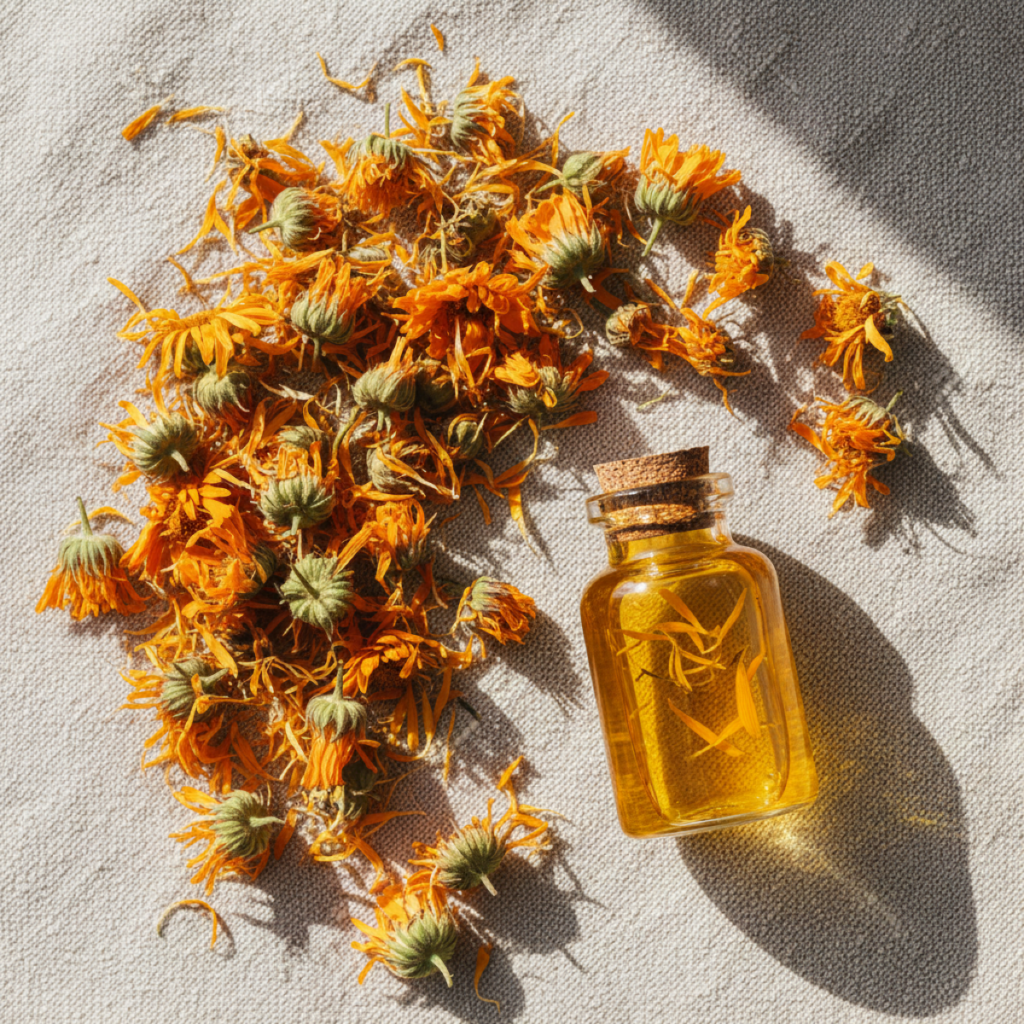
organic calendula
One of the most continuously used botanicals in traditional skin care — deployed in wound preparations since the 13th century and documented in medical use through both the Civil War and World War I
Shown in multiple studies to support faster resolution of skin inflammation and increased granulation tissue production — one of the most researched botanicals in dermatological literature
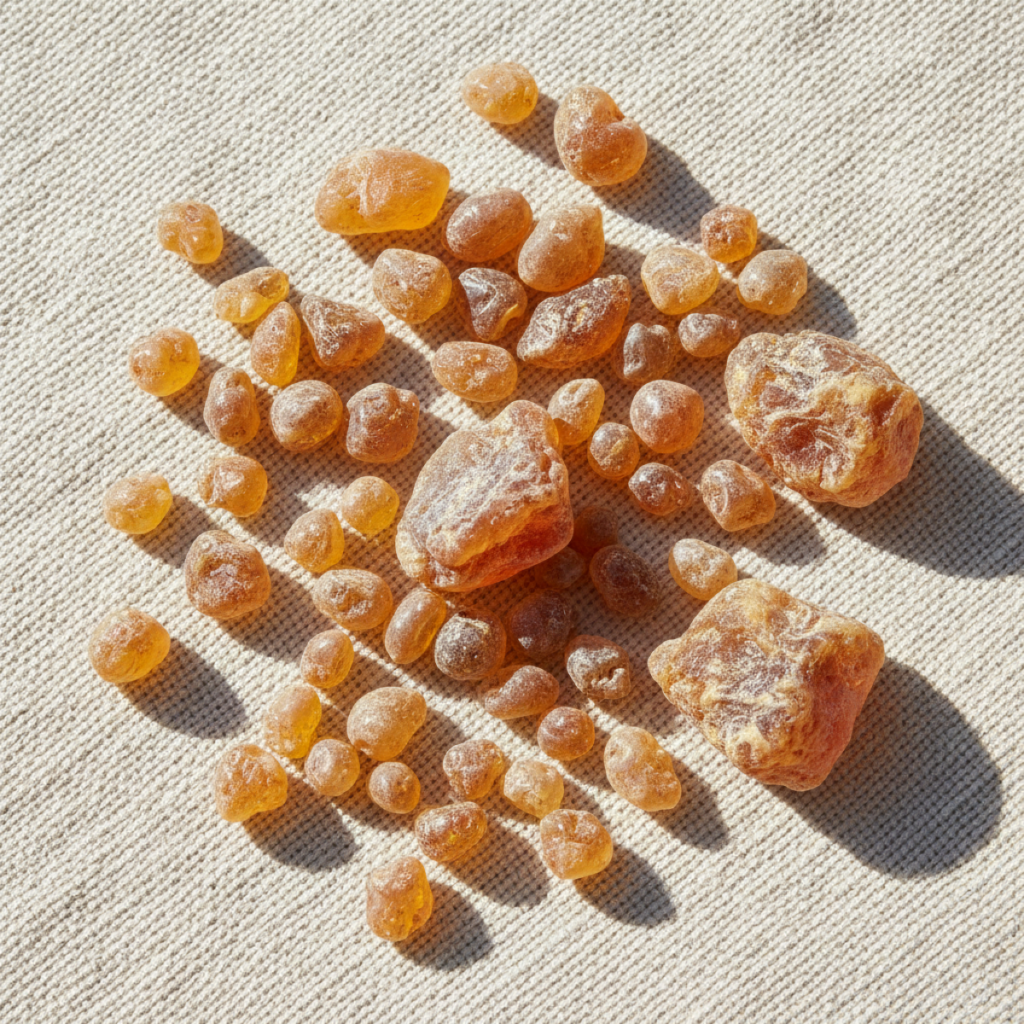
organic frankincense Resin
Contains boswellic acids — compounds that block specific inflammatory pathways by inhibiting 5-lipoxygenase and leukocyte elastase, making frankincense one of the most precisely studied natural anti-inflammatory agents in traditional medicine
A clinical trial using a 0.5% boswellic acid cream showed significant reduction in fine lines, improved skin elasticity, and measurable increase in skin thickness after 30 days — suggesting collagen and elastic fiber remodeling at the dermal level
Used continuously for over 6,000 years across Arabia, India, China, and Africa for wound care, skin repair, and inflammatory conditions — one of the longest-documented medicinal botanicals in human history
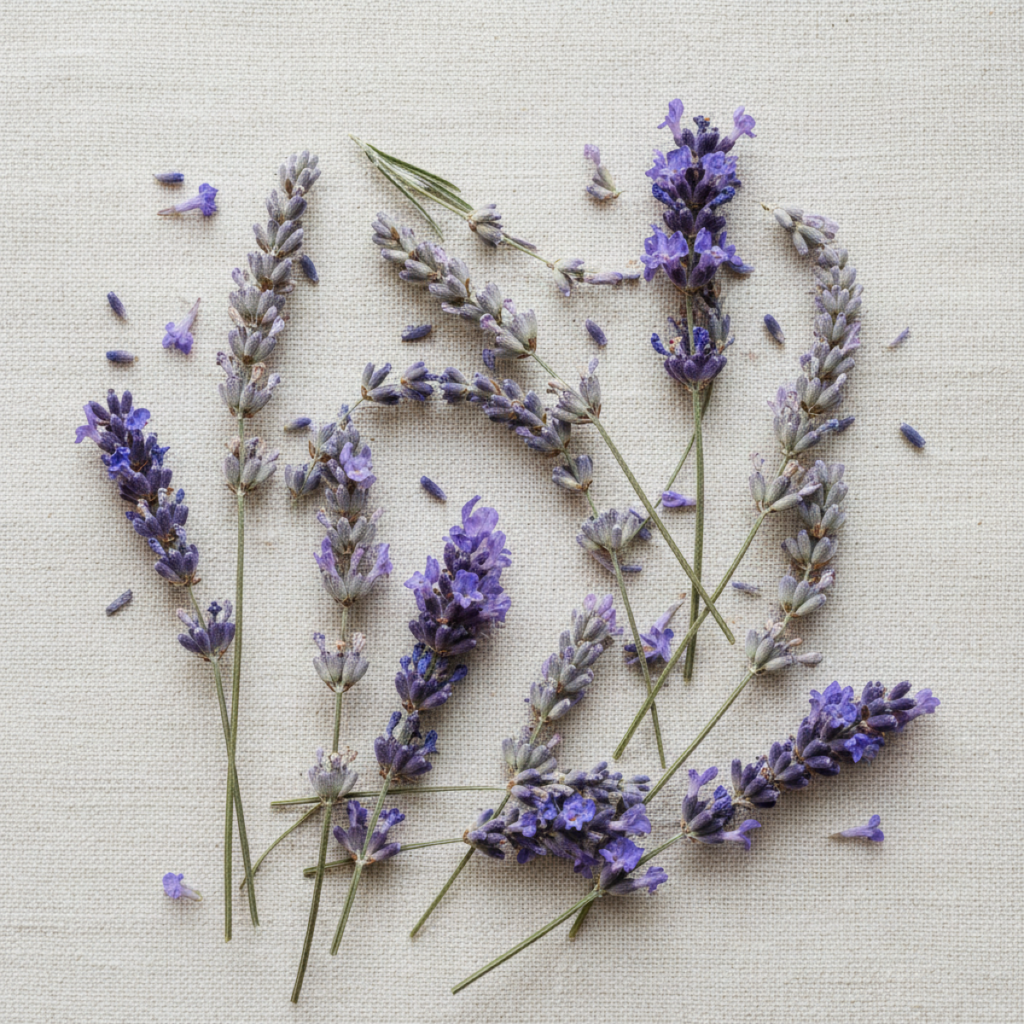
organic lavender
Contains linalool and linalyl acetate — the primary active compounds responsible for its well-documented anti-inflammatory properties, shown to inhibit inflammatory mediators and calm reactive skin tissue
Used continuously in traditional healing preparations across cultures for centuries — lavender’s role in wound care and skin calming predates modern aromatherapy by thousands of years
Demonstrated antimicrobial activity and documented support for skin conditions including eczema, psoriasis, and dermatitis — one of the most studied botanicals in dermatological research
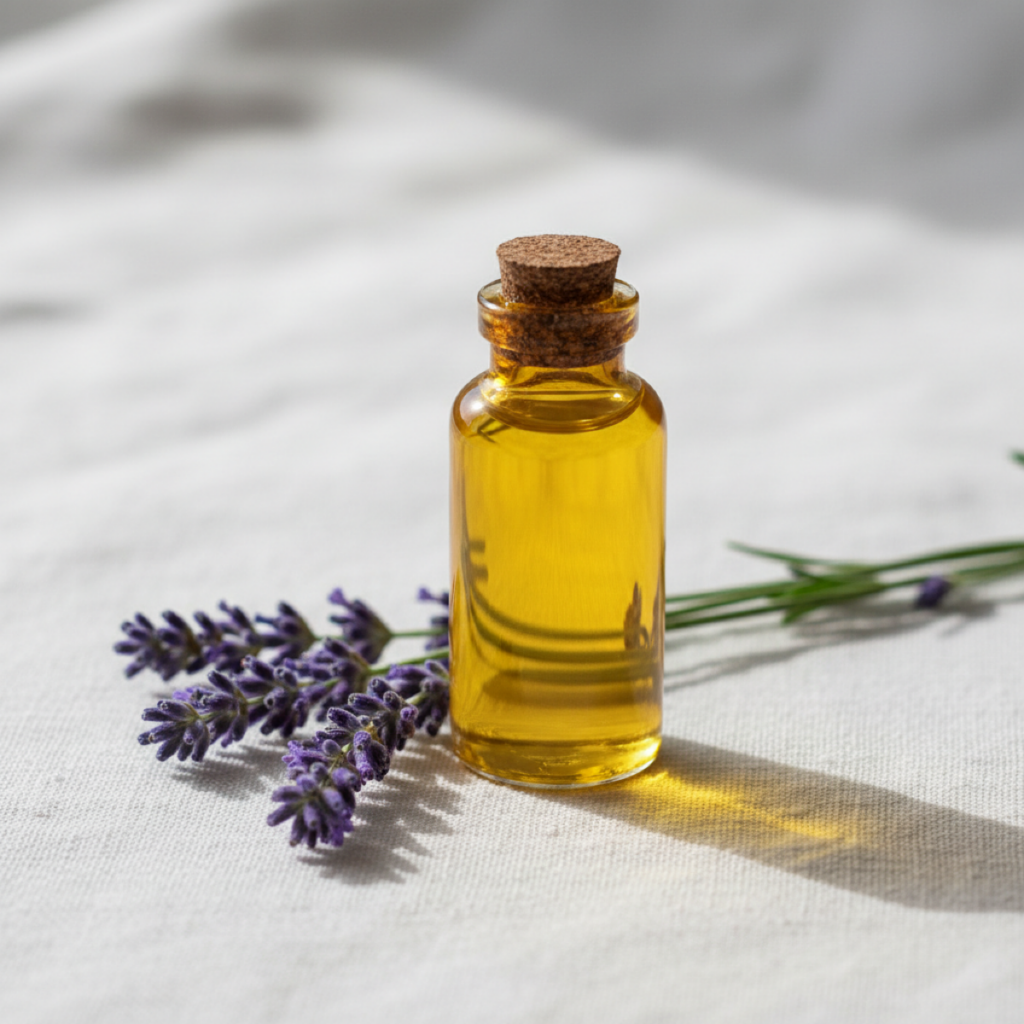
organic lavender Essential oil
The concentrated steam-distilled expression of Lavandula angustifolia — rich in linalool and linalyl acetate, delivering the same documented anti-inflammatory and antimicrobial properties in a more concentrated form
Shown in research to accelerate wound healing through increased collagen synthesis, improved tissue organization, and support for keratinocyte migration — the cellular movement that drives skin repair
One of the rare botanicals that works both topically and aromatically — calming the nervous system through scent while simultaneously supporting skin repair through direct application
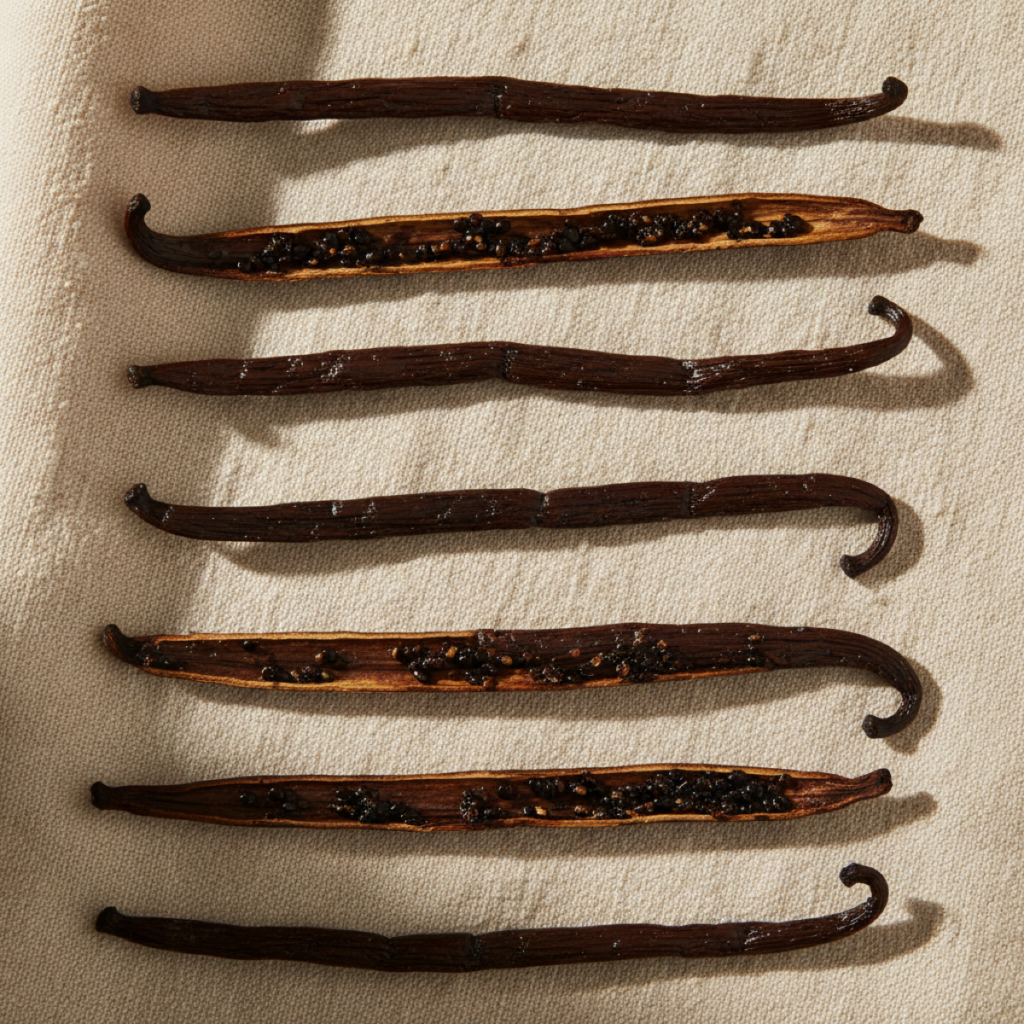
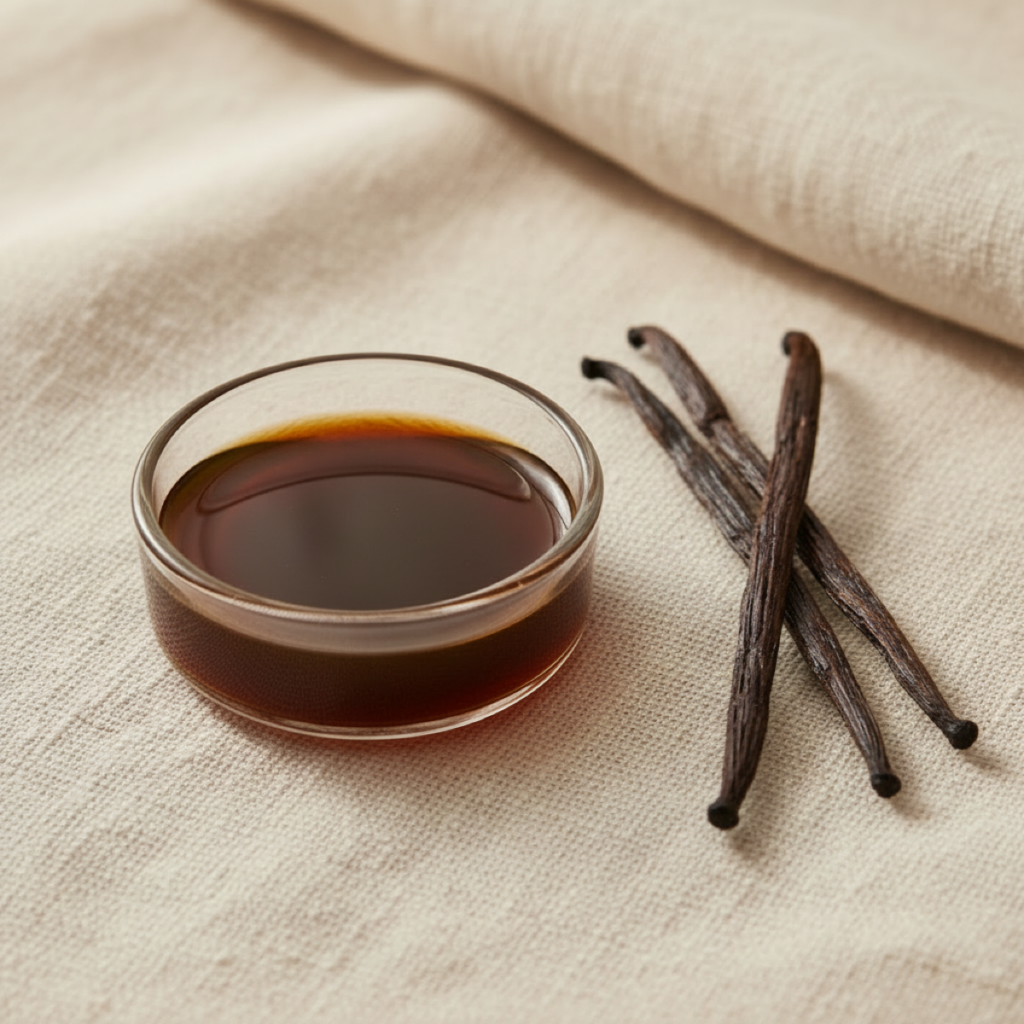
organic vanilla bean
Contains vanillin — a phenolic compound with documented antioxidant properties that neutralize free radicals responsible for oxidative stress and premature skin aging
Rich in B vitamins including niacin, thiamin, and pantothenic acid — nutrients that support healthy skin function and cellular maintenance
Used traditionally across cultures for its skin-soothing and wound-healing properties — its mild anti-inflammatory action makes it particularly suited to sensitive or easily irritated skin
organic vanilla absolute
A concentrated botanical extract capturing the full spectrum of vanilla’s bioactive compounds — vanillin, vanillic acid, and polyphenols working together with broader antioxidant coverage than isolated vanillin alone
A 2020 study confirmed vanilla’s protective action against UVA exposure — specifically preventing increases in inflammatory markers and glycosaminoglycan loss that contribute to premature skin aging
Brings both functional skin benefit and a warm, grounding aroma that has been shown in aromatherapy research to reduce heart rate, lower nervous system activity, and promote calm
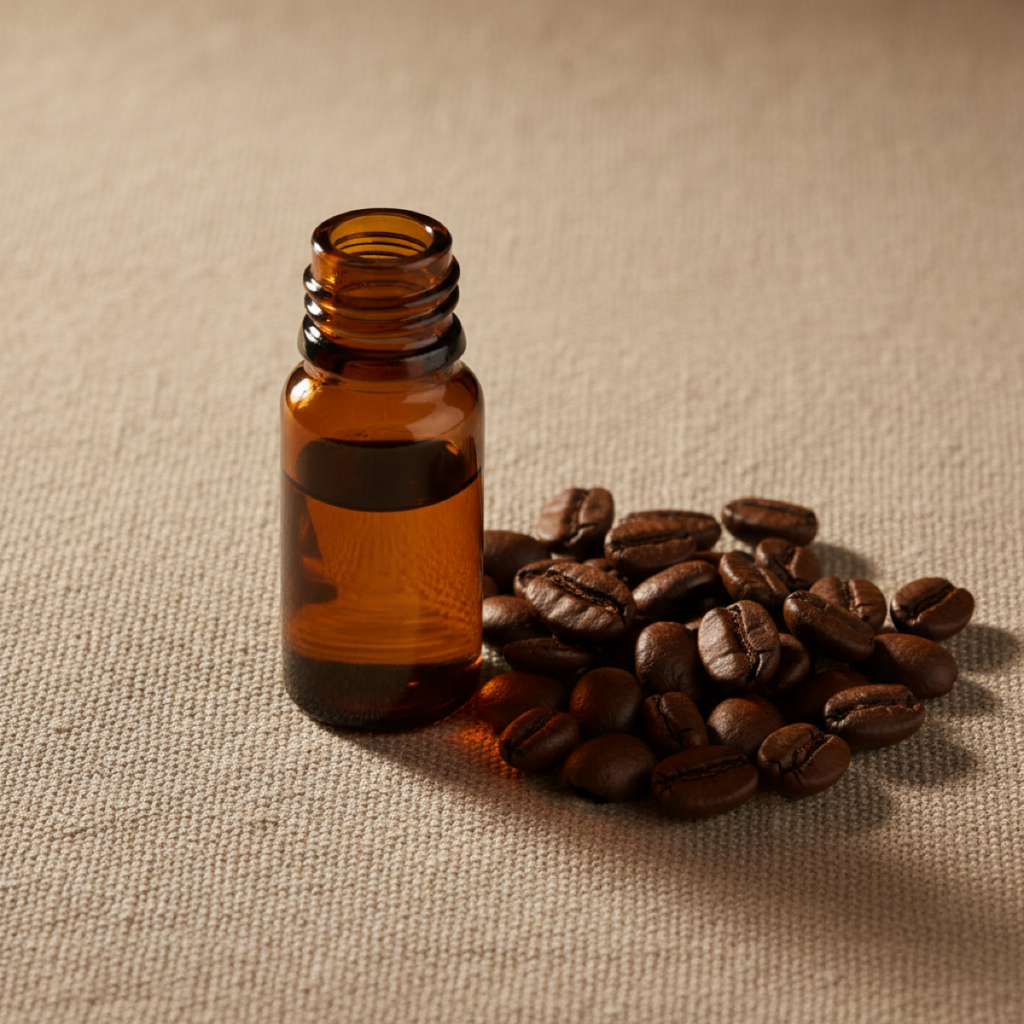
organic coffee absolute
Contains caffeine — a well-researched topical active with documented antioxidant properties, vasoconstrictive action that reduces puffiness and redness, and demonstrated ability to increase microcirculation in skin tissue (PubMed, 2013)
Rich in caffeic acid — an antioxidant shown to increase collagen levels and reduce premature cell aging, with additional antibacterial properties that support skin clarity
Chlorogenic acids in coffee provide anti-inflammatory protection and documented photoprotective activity against UV-induced oxidative stress — making it one of the most scientifically studied natural antioxidant sources
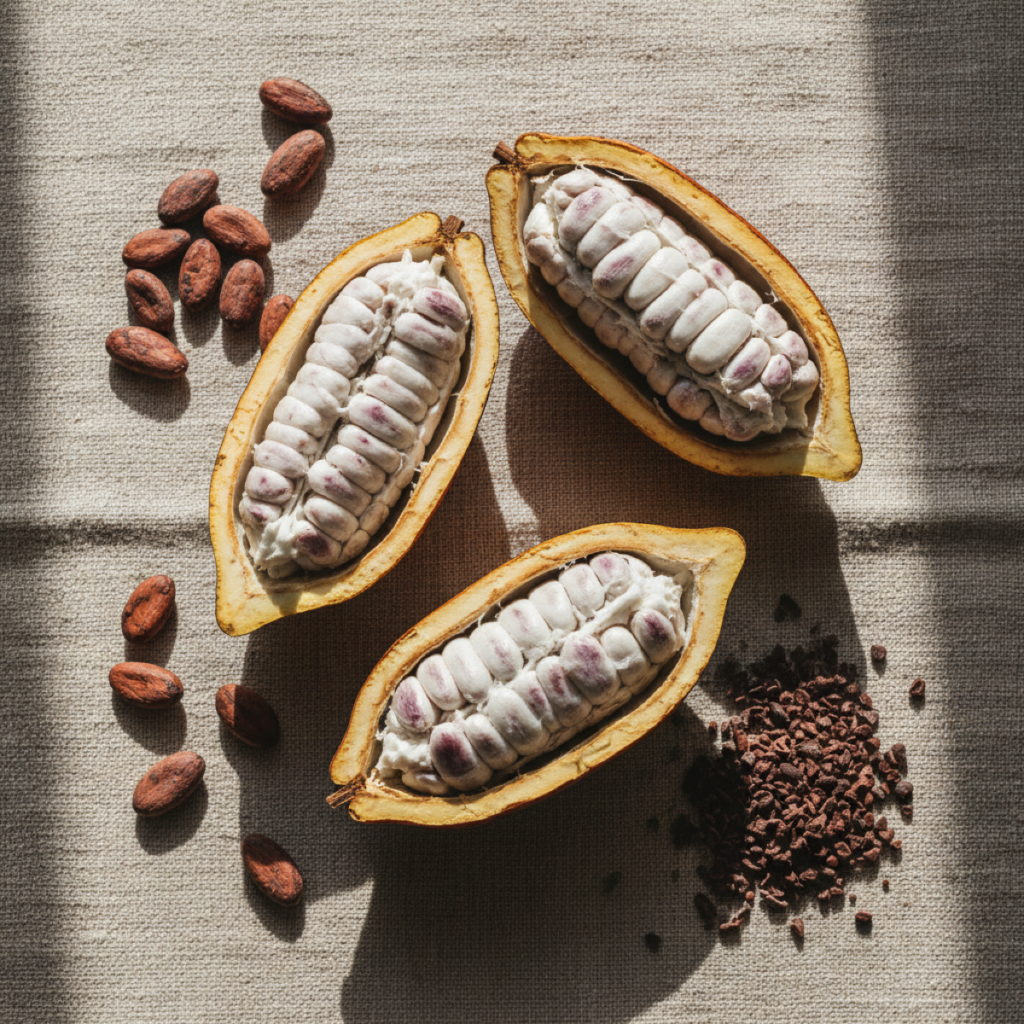
organic cacao absolute
Rich in flavonoids — catechin and epicatechin — documented in a 2024 peer-reviewed clinical study published in the Journal of Cosmetic Dermatology to penetrate the stratum corneum and deliver antioxidant protection directly into the skin where oxidative damage actually occurs
Contains theobromine and theophylline — methylxanthines that share caffeine’s circulation-stimulating properties, supporting skin tone, reducing puffiness, and contributing to a more vibrant complexion
One of the oldest medicinal plants in human history — used by Mayan and Aztec cultures dating back to 900 AD, with modern science now confirming the anti-inflammatory and skin-repair mechanisms behind that traditional use
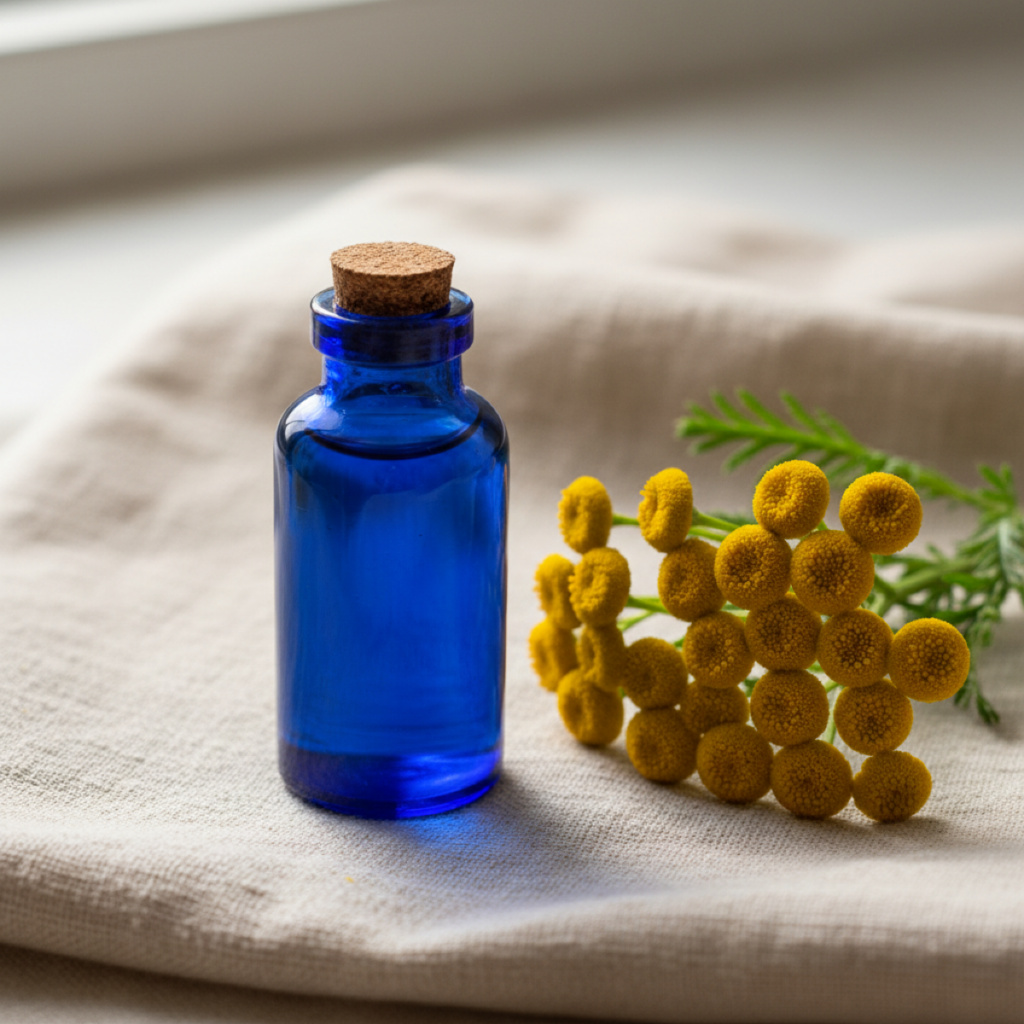
organic blue tansy
Contains chamazulene — a compound formed during steam distillation that gives blue tansy its signature deep blue color and has been shown to inhibit COX-2 enzymes and regulate TNF-α, the same inflammatory pathways targeted by many pharmaceutical anti-inflammatories
Rich in sabinene and camphor alongside chamazulene — compounds with documented antioxidant activity that neutralize free radicals, reduce redness, and calm reactive and sensitized skin tissue
Native to Morocco and rare enough to be at risk of over-harvesting — Tanacetum annuum has been used in traditional Moroccan and Mediterranean skin care for generations for its exceptional soothing and anti-inflammatory properties
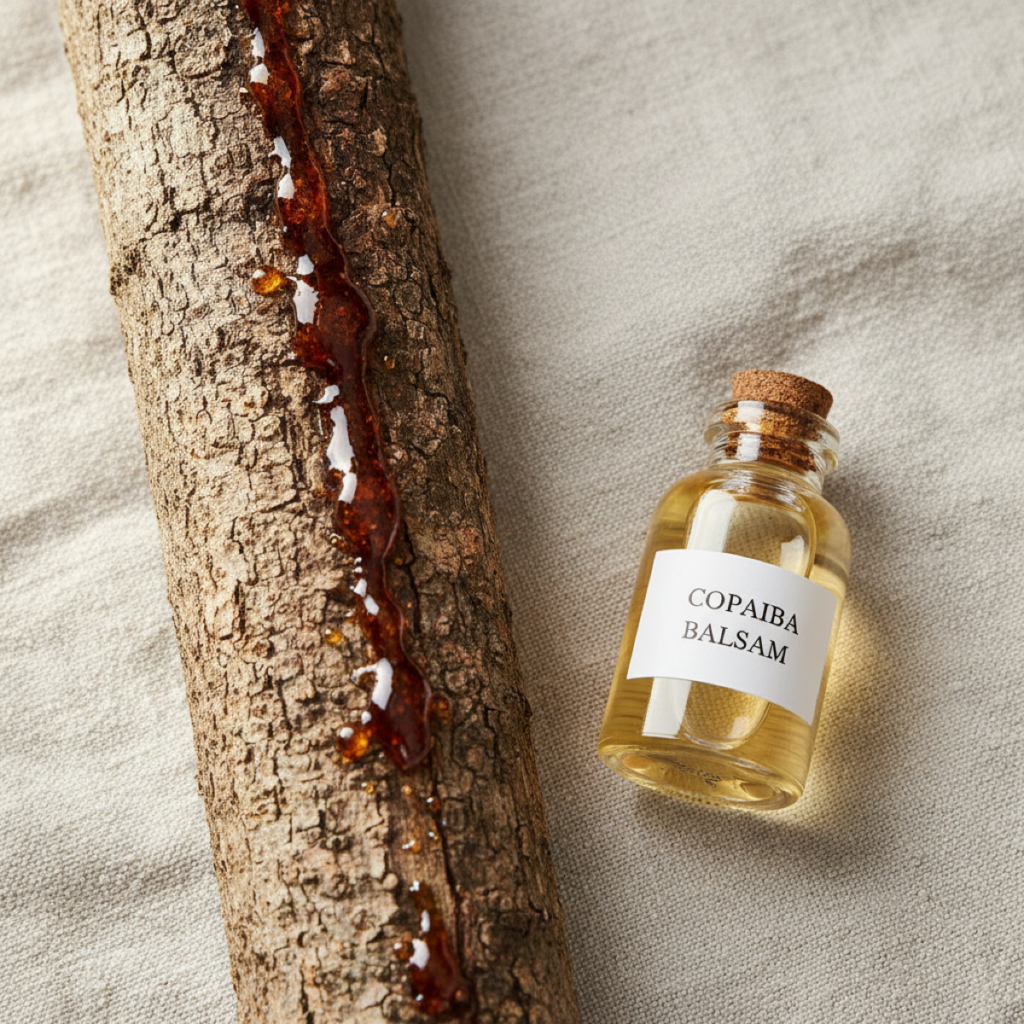
organic copaiba balsam essential oil
The dominant active compound, beta-caryophyllene, selectively binds to CB2 receptors in the body’s endocannabinoid system — triggering a precise anti-inflammatory response at the cellular level that inhibits specific inflammatory pathways without systemic side effects. One of the most mechanistically well-understood natural anti-inflammatory ingredients in botanical medicine
A double-blind placebo-controlled clinical trial demonstrated a highly significant decrease in acne-affected skin following topical application of a 1% copaiba preparation — consistent with its documented antimicrobial activity against Staphylococcus aureus and peer-reviewed evidence supporting its role in cutaneous wound healing and barrier restoration
Tapped directly from Copaifera trees deep in the Amazon basin and used continuously by indigenous Amazonian peoples for over 500 years — one of the most extensively studied botanical oleoresins in Brazilian traditional medicine, with modern research consistently validating centuries of traditional topical use
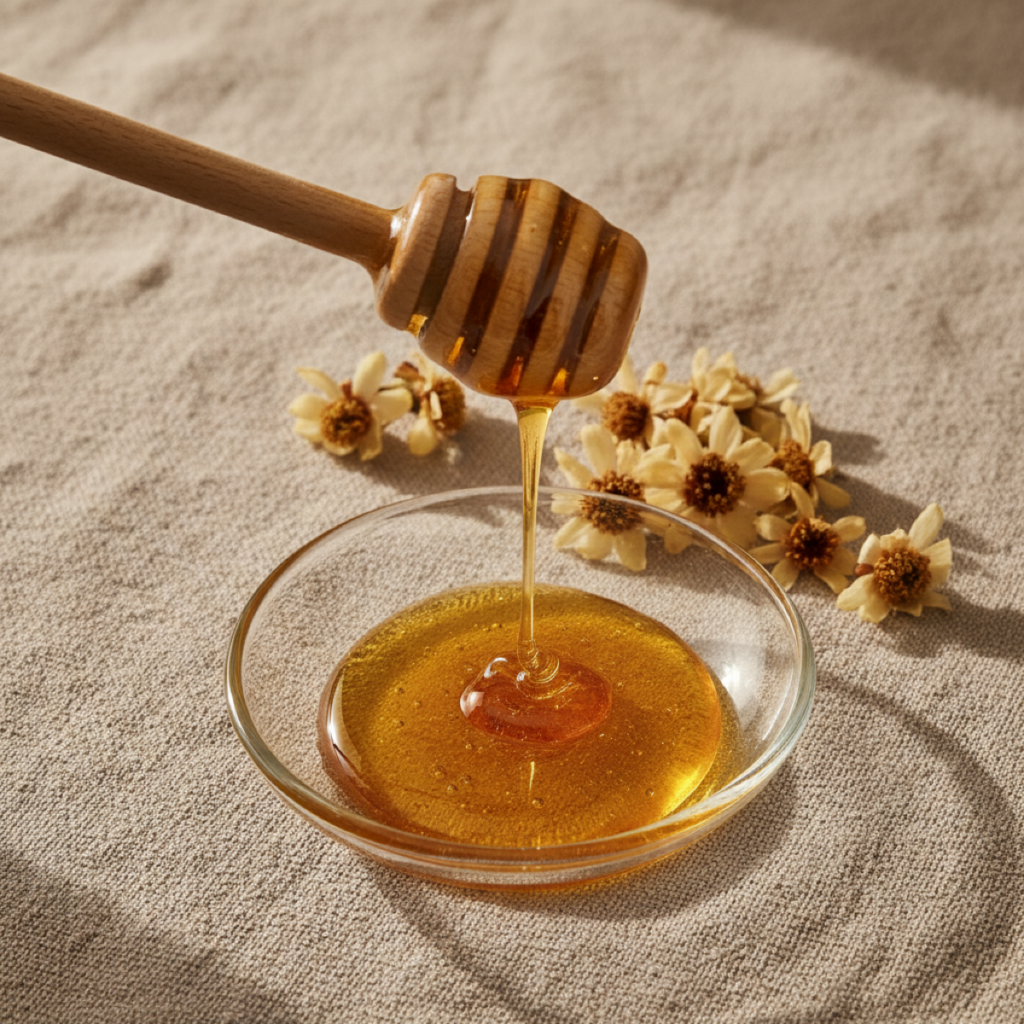
honey
manuka honey
Contains methylglyoxal (MGO) — a compound found at concentrations up to 100 times higher than in conventional honey, responsible for an antibacterial mechanism that cannot be neutralized by wound tissue enzymes, making it uniquely effective where other antimicrobials fail
Shown in clinical research to significantly accelerate reepithelialization, increase collagen density, and stimulate keratinocyte and fibroblast proliferation — the basis for Medihoney, the first FDA-cleared honey-based medical wound dressing
Used as a wound remedy across cultures since ancient times and now validated across hundreds of clinical trials — one of the few traditional ingredients to cross from folk medicine into regulated medical use